Mold after a leak or flood
A pipe, a roof, the AC drain, the unit above, or a storm put water in the house and now there is growth or a smell. Drying and containment first, then assessment.
786-292-2505Miami-Dade · English & Spanish
Mold in a Miami home is a moisture problem with a smell: fix the water, then the mold. Removal and remediation anywhere in Miami-Dade, mold after a leak, inspection and testing, mold in the AC, clearance. Assessors and remediators who work your part of the county, in English or Spanish. The pages here say what the law requires, when a test is worth paying for, and when a patch is small enough to handle yourself.
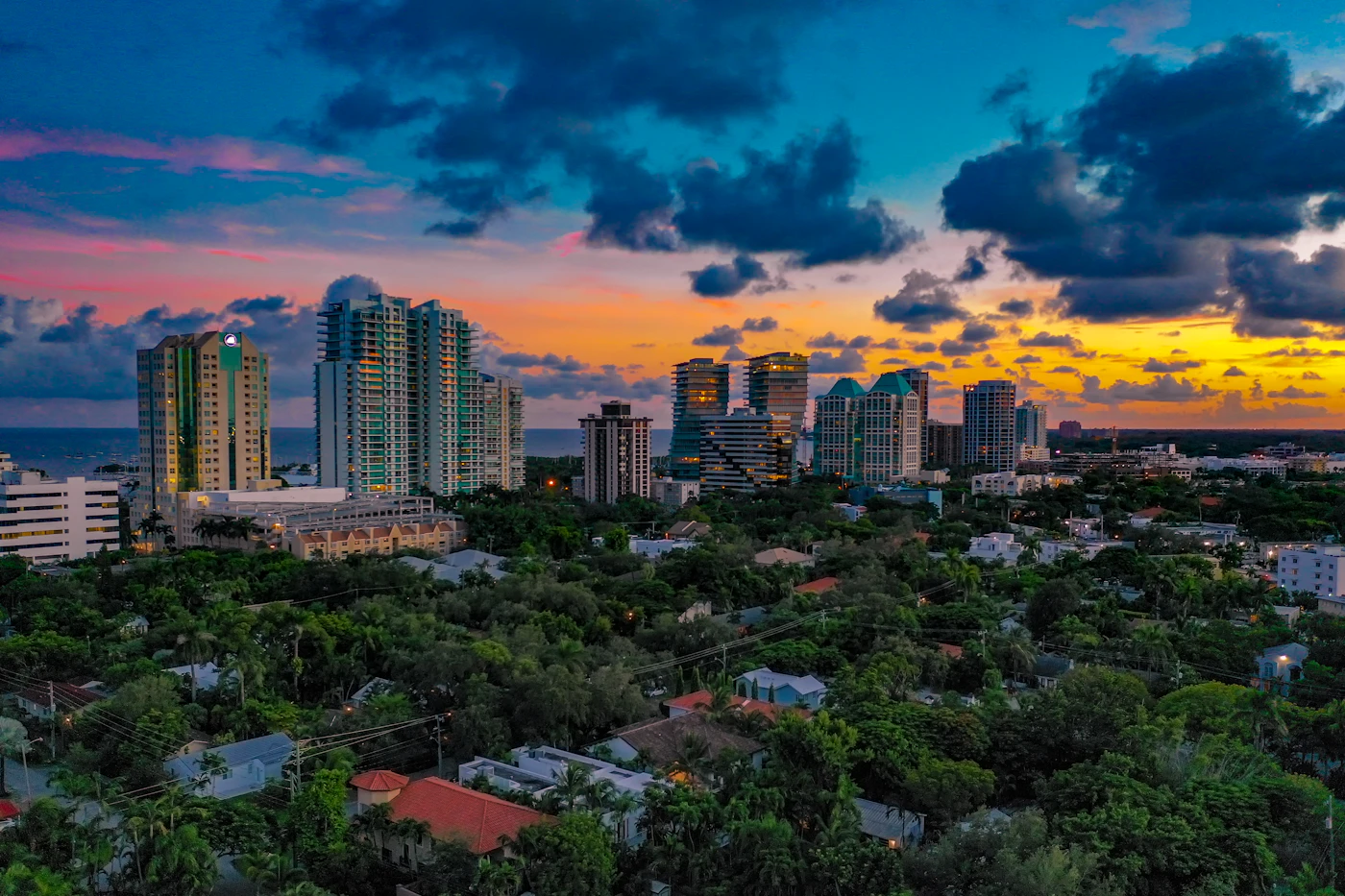
Mold grows on damp surfaces above about 60% indoor humidity. Miami sits at 70–80% outdoors most of the year; the AC is what keeps a house under the line.
Drywall, carpet pad, and cabinet backs that stay wet longer than a day or two grow mold in this climate. Drying beats removal every time.
Florida requires licensed assessors and remediators for anything over 10 square feet, about a 3 by 3 foot patch. Under that, you may clean it yourself.
Florida restricts one company from both assessing and removing on the same property, with statutory exceptions. Both come through this number.
Mold after fresh water damage goes straight to the phone, because the drying clock is running. For everything else, call and say what you are seeing.
A pipe, a roof, the AC drain, the unit above, or a storm put water in the house and now there is growth or a smell. Drying and containment first, then assessment.
786-292-2505Visible growth larger than a sheet of paper, or a musty smell whose source you cannot find. A licensed remediator sets containment, removes what cannot be cleaned, and dries the affected materials while the moisture source is corrected.
Call 786-292-2505A licensed assessor finds the moisture source, maps the growth, and writes the protocol the remediator has to follow. Testing when it answers a real question, not by default.
Call 786-292-2505Black dust on supply vents, a smell when the system starts, growth in the closet or on the coil. The number-one place mold hides in a Miami home.
Call 786-292-2505After the remediator finishes, a separate licensed assessor verifies the work before the walls close. The document you keep for insurers, buyers, and landlords.
Call 786-292-2505Leaks from the unit above, a closed-up unit that ran humid for months, a landlord who is not responding. Who is responsible, what to document, who to call.
Call 786-292-2505How Florida splits the work
Chapter 468 of the Florida Statutes licenses two different trades and bars one company from doing both on the same job. It is the single most useful thing to know before you call anyone.
Licensed mold assessor · MRSA
Licensed mold remediator · MRSR
Both licenses are public record, and the report and the estimate carry the numbers.
What to do in the first hour, and what not to do. None of it needs a license.
Do not
Mold in Miami-Dade
Miami is warm and wet all year, and the housing stock is built for the heat, not for keeping air dry. That changes where mold shows up and what fixing it means.
The air handler, its drain pan, and the closet it sits in are wet by design, and over-cooled ducts sweat in humid rooms. Black dust on a supply vent or a smell when the system starts is an AC problem before it is a mold problem, and the remediator and an AC company usually both get involved.
A closed-up unit with the AC set high or off for the summer can sit at 80% humidity for months. Snowbird owners come back to growth on furniture, closets, and ceilings without a leak anywhere. The fix is humidity control, and the association often has rules about it.
Many Florida homeowner policies cap mold coverage at a fixed amount and exclude mold from long-term leaks or humidity. The professional documents the source and the work; your insurer decides what is covered.
Condo humidity and stack leaks on the Beach and in Aventura, old block homes with window units in Hialeah, big slab houses with long duct runs in Kendall and Doral, wood-and-plaster houses under tree canopy in the Gables, and storm aftermath in Homestead.
Mold across Miami-Dade: mold after a leak, removal and remediation, inspection and testing, mold in the AC, clearance. English or Spanish.
Often not. The EPA’s guidance is that if you can see mold, sampling is usually unnecessary; the answer is to fix the moisture and remove the growth. Testing earns its cost when growth is suspected but hidden, when a landlord, buyer, or insurer disputes it, when a doctor asks, and as clearance after remediation. A licensed assessor will tell you which case you are in.
Many molds are black, and "toxic black mold" is a marketing phrase, not a diagnosis. Any indoor mold growth should be removed, and the moisture that feeds it fixed, regardless of color or species. If someone in the house has asthma, allergies, or a compromised immune system, talk to their doctor.
Florida licenses mold assessment and remediation for anything larger than 10 square feet, roughly a 3 by 3 foot patch. Below that, no license is required and you may clean it yourself. Above it, the assessor (MRSA) and the remediator (MRSR) must be licensed, and Florida restricts one company from doing both on the same property, with statutory exceptions. Ask which license it is working under and how the rules apply to your job.
Because the company that says how bad it is would also be the company paid to fix it. Florida separated the two roles so the plan and the clearance come from someone with nothing to sell you. It also means you should be wary of an inspection offered at no cost by a remediation company; ask who the licensed assessor is.
You pay the licensed professional; they invoice you for the work. Whether your insurer reimburses depends on your policy and the source: many Florida policies cap mold coverage and exclude mold from long-term leaks or humidity. Since 2023 no contractor can take an assignment of your claim.
Florida has no mold-specific tenant statute, but landlords must maintain the unit, and code enforcement in most Miami-Dade cities will inspect for moisture problems. Send written notice with photos, keep copies, and if nothing happens you can pay for a licensed assessment yourself and use it. A tenant-rights organization can tell you the next step.
Yes. Call in English or Spanish; every page is in both.
Water got in within the last few days: call now. Otherwise say what you see, what you smell, and how long.
Hours: Calls answered 24/7
Calls answered 24/7